Archaeological Monitoring (Watching Brief)
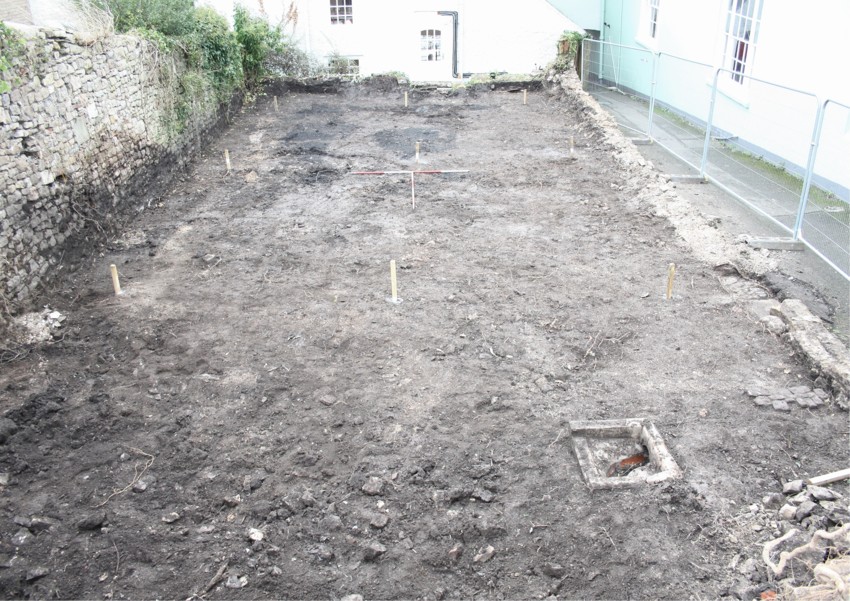
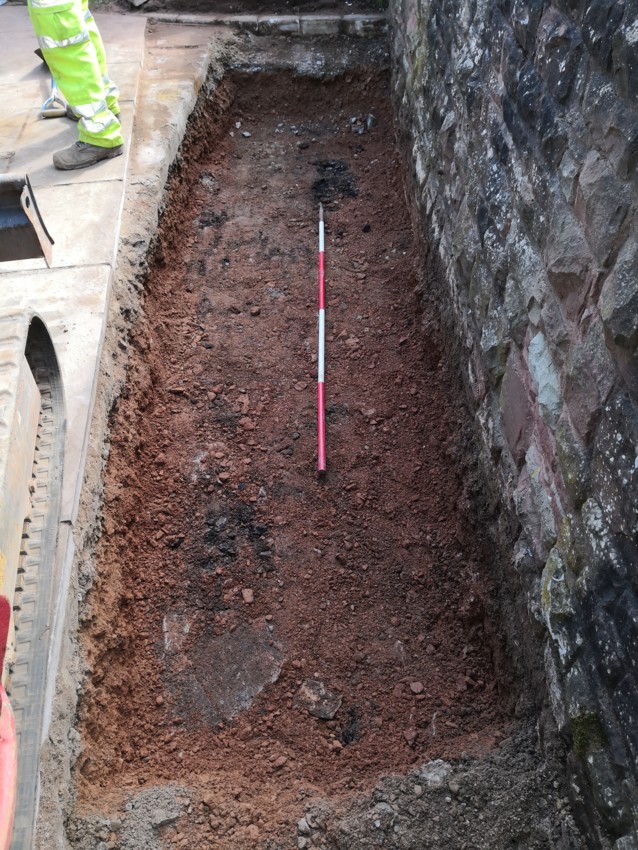
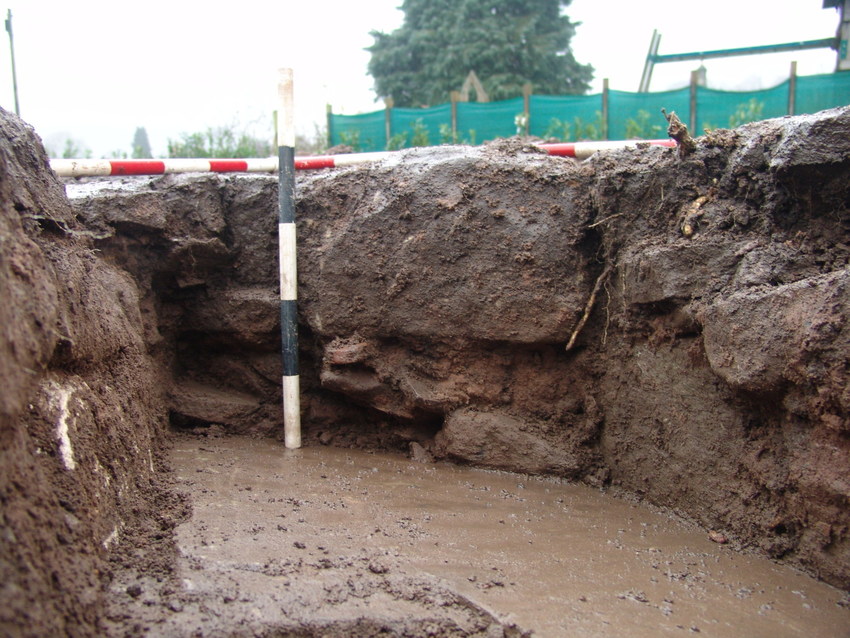
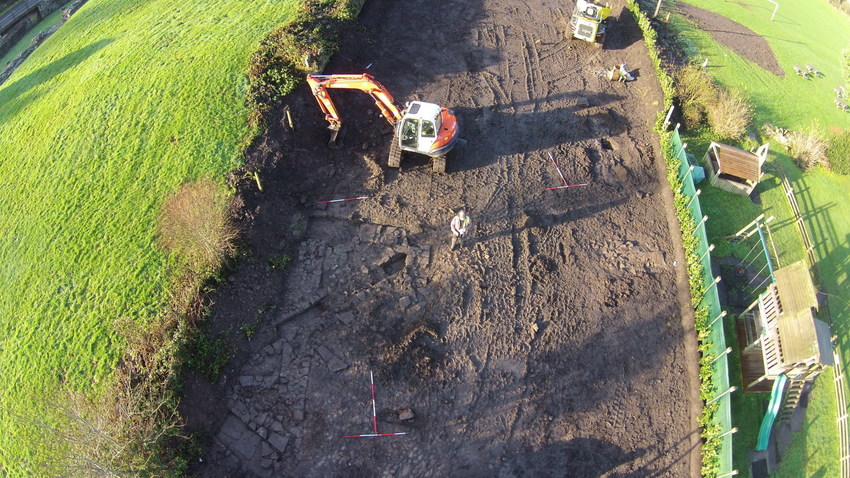
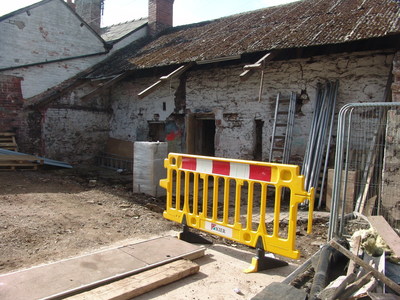
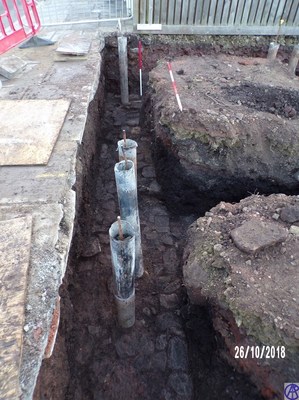
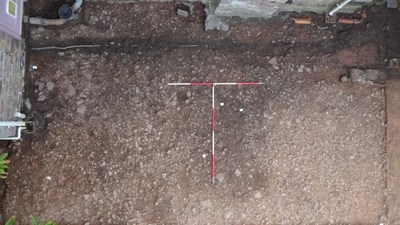
Archaeological monitoring, commonly known as a watching brief, involves an archaeologist observing groundworks to identify, investigate and record any archaeological remains exposed. It is often required as part of an archaeological planning condition.
A.P.A.C. Ltd undertakes archaeological monitoring for projects ranging from small domestic extensions to larger, phased developments. Monitoring may be required where groundworks could disturb archaeological remains, or where earlier archaeological investigations have recommended monitoring during subsequent construction work.
What is the difference between archaeological monitoring, evaluation and excavation?
These services answer different questions and involve different levels of archaeological work. Being asked to arrange one does not automatically mean you will need all three.
Archaeological monitoring (watching brief): recording what is exposed during building work
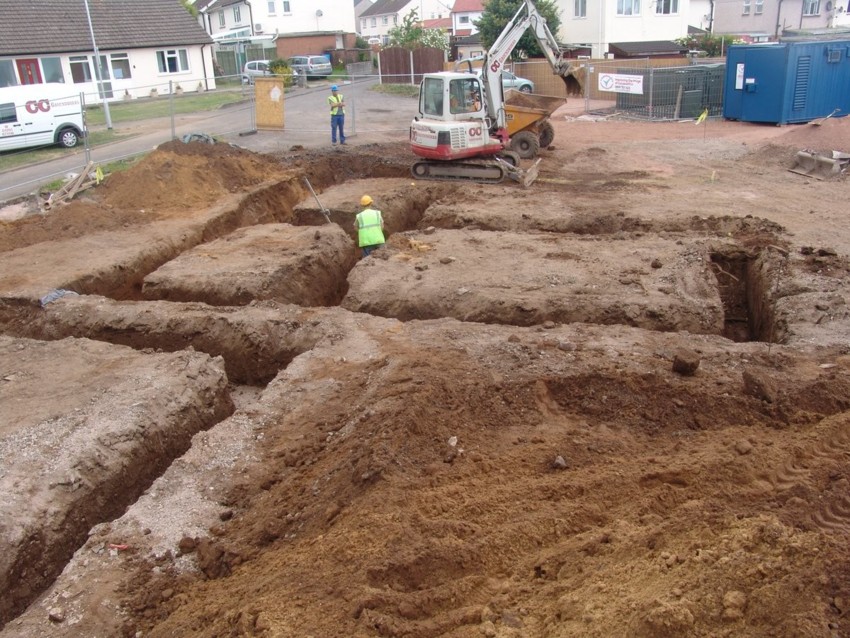
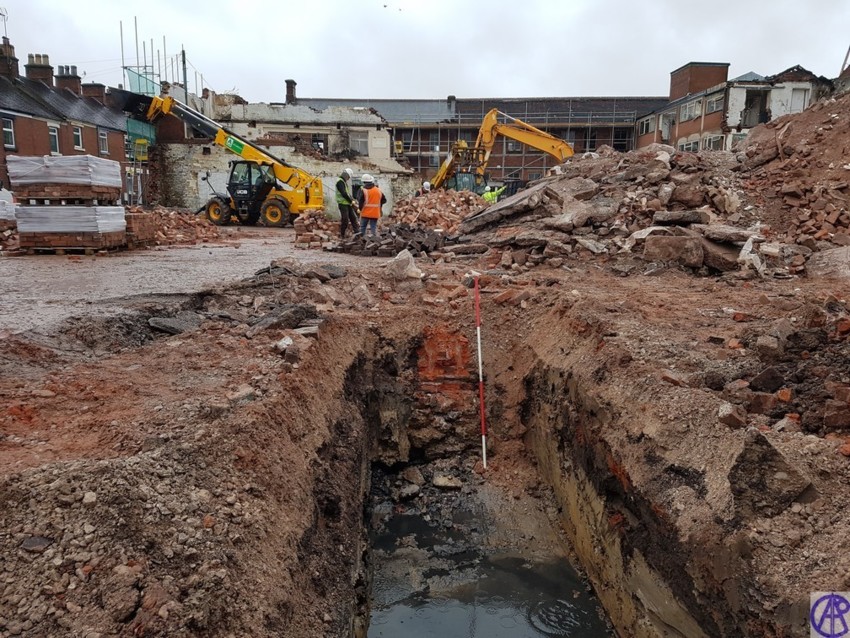
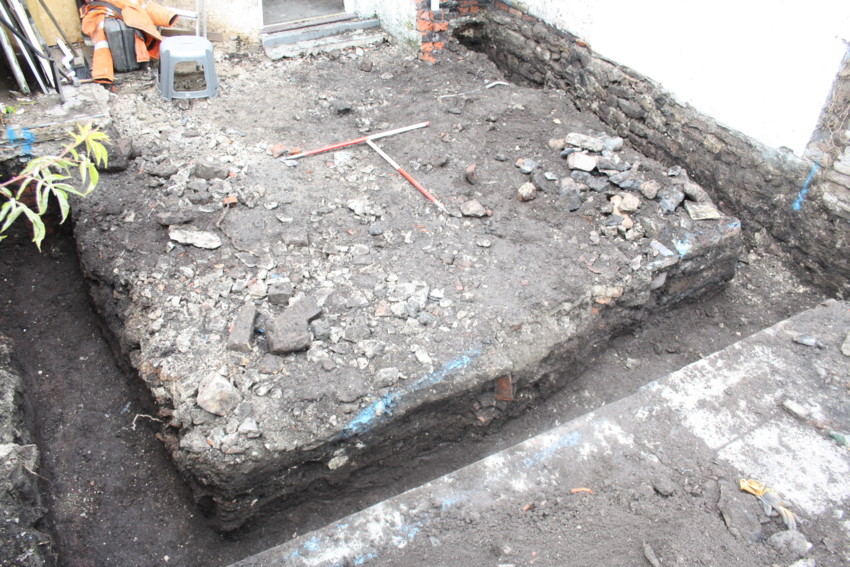
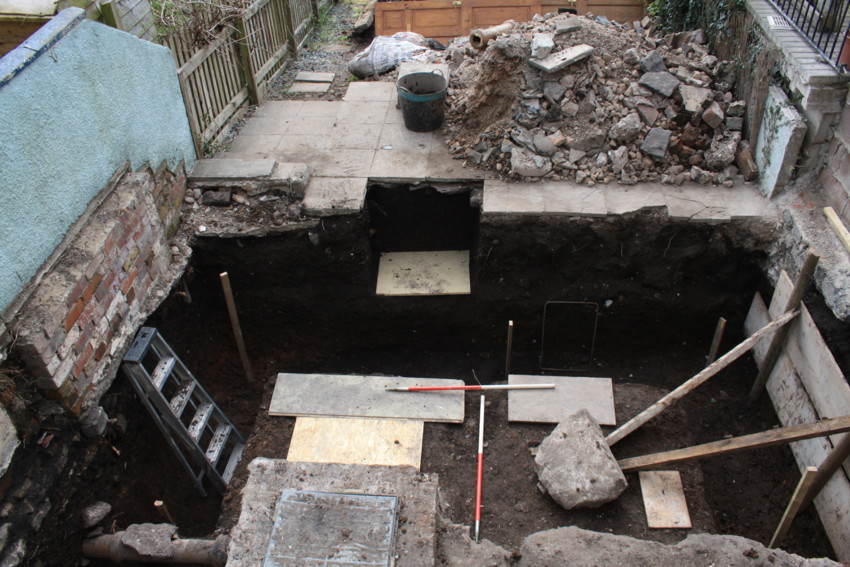
An archaeologist attends specified groundworks, such as digging foundations or service trenches, to identify, investigate and record any archaeological remains exposed. The work takes place alongside the contractor’s excavations, with time allowed for archaeological recording where needed. Significant or unexpected discoveries may require further advice before work continues in the affected area.
Archaeological evaluation: finding out what is there before development
An evaluation helps establish whether archaeological remains are present, what they are and how the proposed development might affect them. This commonly involves trial trenches or test pits covering an agreed sample of the site. Archaeologists investigate and record enough of any remains to understand their nature, depth, condition and significance. The findings help determine whether further archaeological work or protection is needed.
Archaeological excavation: investigating remains before they are affected
Excavation is a more detailed investigation of an agreed area where archaeological remains will be affected by development. Archaeologists carefully excavate and record features and deposits, recovering finds and samples where appropriate to preserve the information they contain. This usually takes place before construction proceeds in that area and does not necessarily involve excavating the whole development site.
Not sure which service you need?
Send A.P.A.C. Ltd your planning condition or the advice you have received, together with your site details. We can explain what has been requested and help you understand the next steps.