
Archaeological Excavation
Archaeological excavation investigates and records remains that would otherwise be affected by development. It is usually carried out after earlier work has established what is present and where preservation in place is not practical.
A.P.A.C. Ltd undertakes excavations across England and Wales, from small targeted areas to larger development sites.
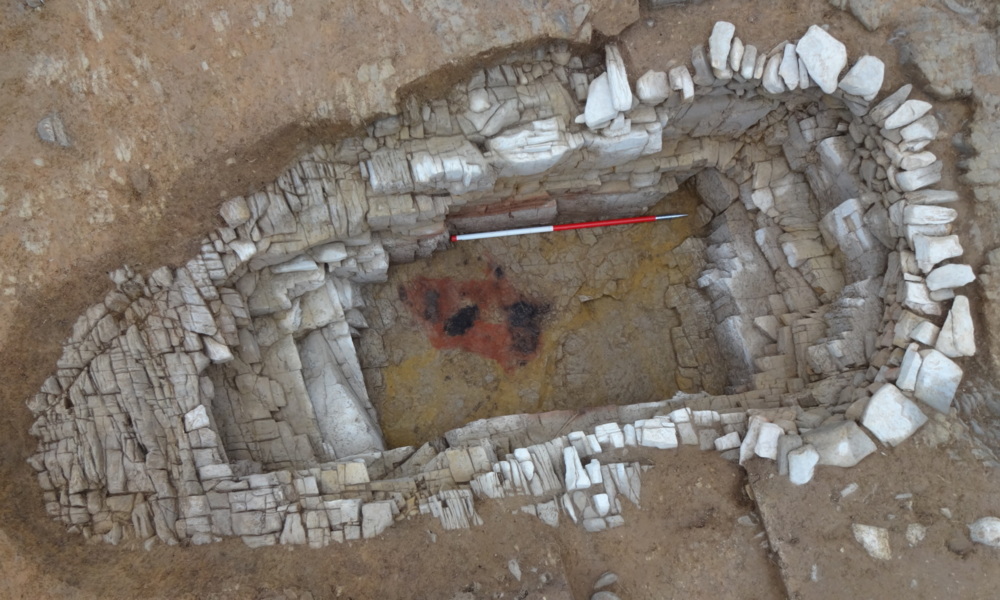
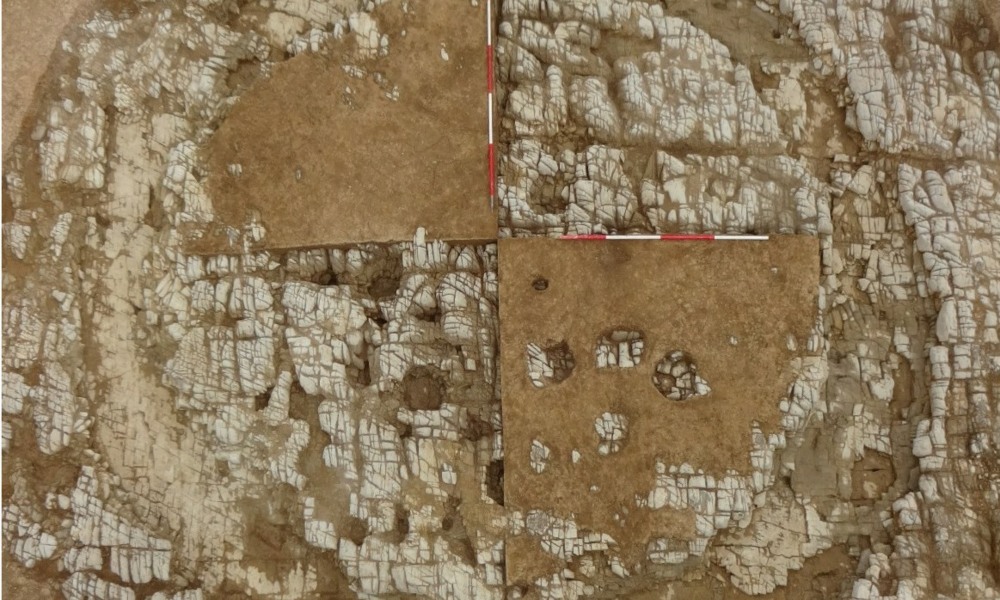
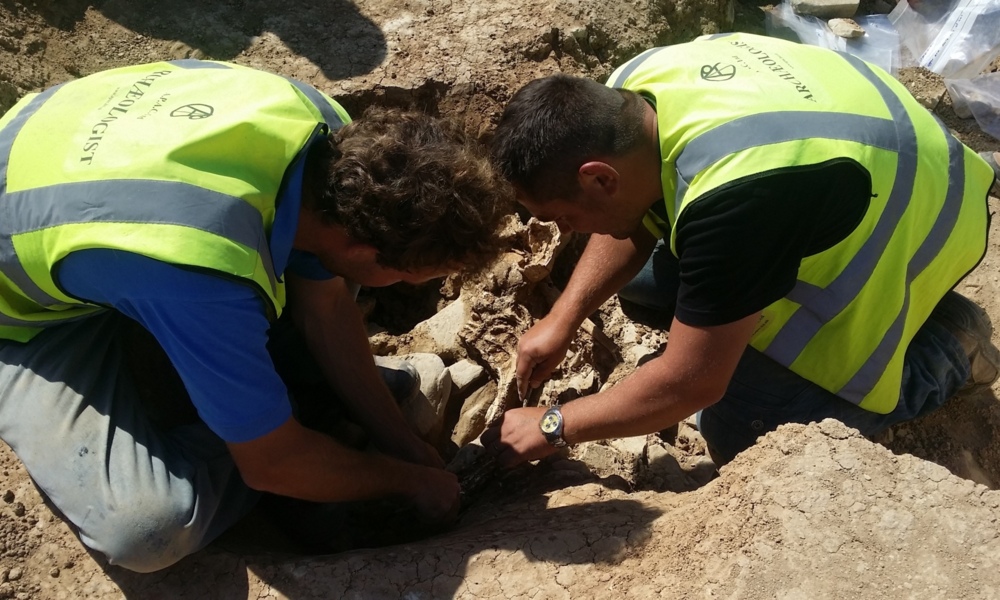
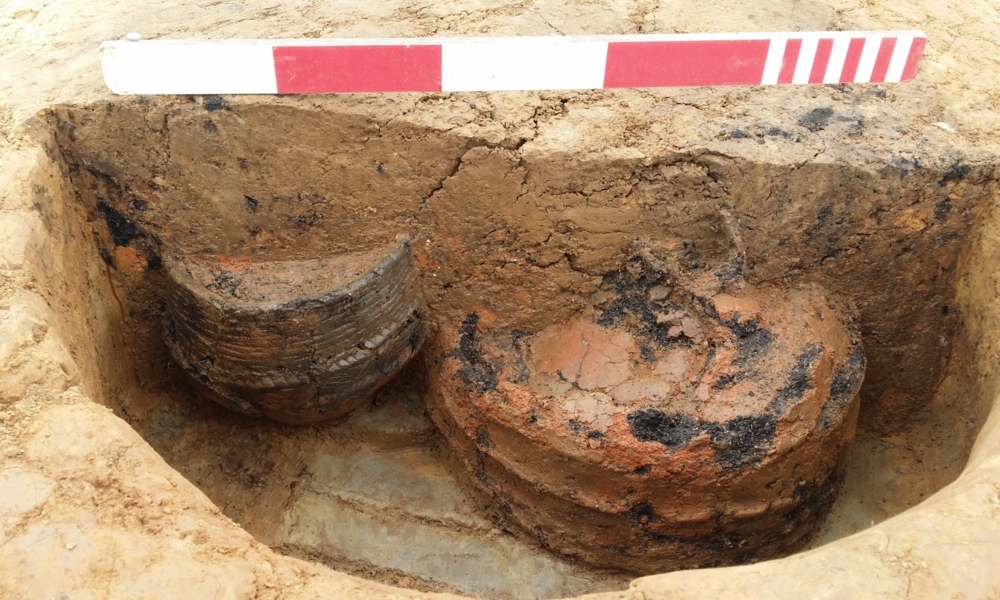
What Archaeological Excavation Involves
Excavation begins with the careful removal of modern material to expose the archaeological remains beneath. This is usually done by machine under archaeological supervision. Archaeological features and deposits are then investigated by hand where appropriate and recorded in detail.
The work builds a picture of:
- What remains are present and when they date from
- How the site changed over time
- How people used the site in the past
- What finds and environmental evidence can tell us
To the left are pictures from a large multi-phase excavation site in St Athans, Cardiff
When is Archaeological Excavation Required?
Excavation may be required after an archaeological evaluation identifies remains that need further investigation. It may also follow a discovery during construction or archaeological monitoring. The extent of the work is agreed according to the remains present, the proposed development and any planning or heritage requirements.
Being asked to carry out an evaluation or monitoring does not automatically mean a full excavation will be needed.
Monitoring, evaluation or excavation?
Being asked for one does not automatically mean you need all three.
Monitoring (watching brief)
Observing your contractor’s groundworks and investigating and recording any archaeology exposed. Monitoring page
Evaluation
Investigating a sample of the site, usually through trial trenches, to establish what archaeology is present and whether further work is needed. Evaluation page
Excavation
Detailed archaeological digging and recording within an agreed area before remains are affected by development.
Occasionally, discoveries during evaluation or monitoring may lead to further excavation. If this is needed, we explain why and agree the next steps with you and the planning authority’s archaeological adviser.
How the process works
1. Review the requirement
We review the planning condition, previous archaeological reports and development plans to understand what work has been requested.
2. Agree the scope
We establish the area to be excavated and prepare a Written Scheme of Investigation where required. The approach is agreed with the relevant archaeological adviser.
3. Arrange the fieldwork
We discuss access, timing and how the excavation will fit alongside other work on site.
4. Excavate and record
Our team investigates and records the archaeological remains, recovering finds and taking samples where appropriate.
5. Reporting and archive
We bring together the site records, finds and sample results in a report, with specialist analysis or scientific dating where appropriate. The project archive is prepared for deposition with the appropriate repository, and the report is submitted to the relevant Historic Environment Record where required.
Need advice about an excavation?
If an archaeological condition or earlier investigation has identified a need for excavation, send us the relevant documents and details of your project. We can help establish the likely scope and next steps.
3D Scan of an excavation at Tintern Angidy by A.P.A.C. Ltd
Press play to watch a fly-through of an A.P.A.C. Ltd excavation