Historic Building recording
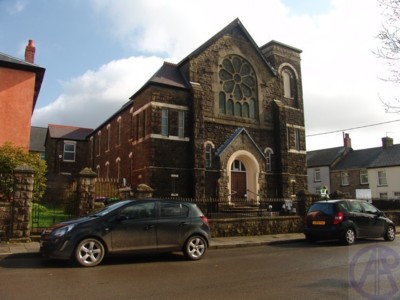
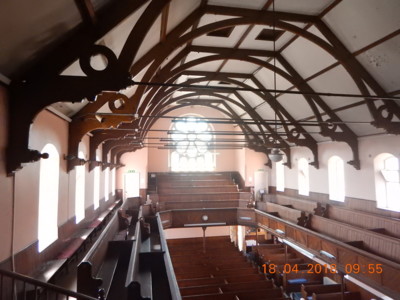
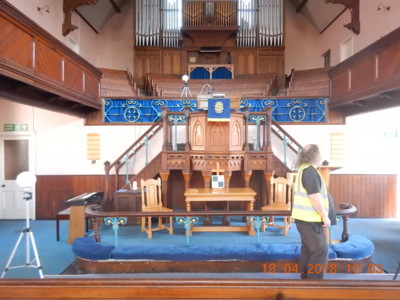
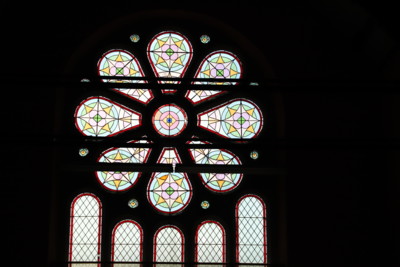
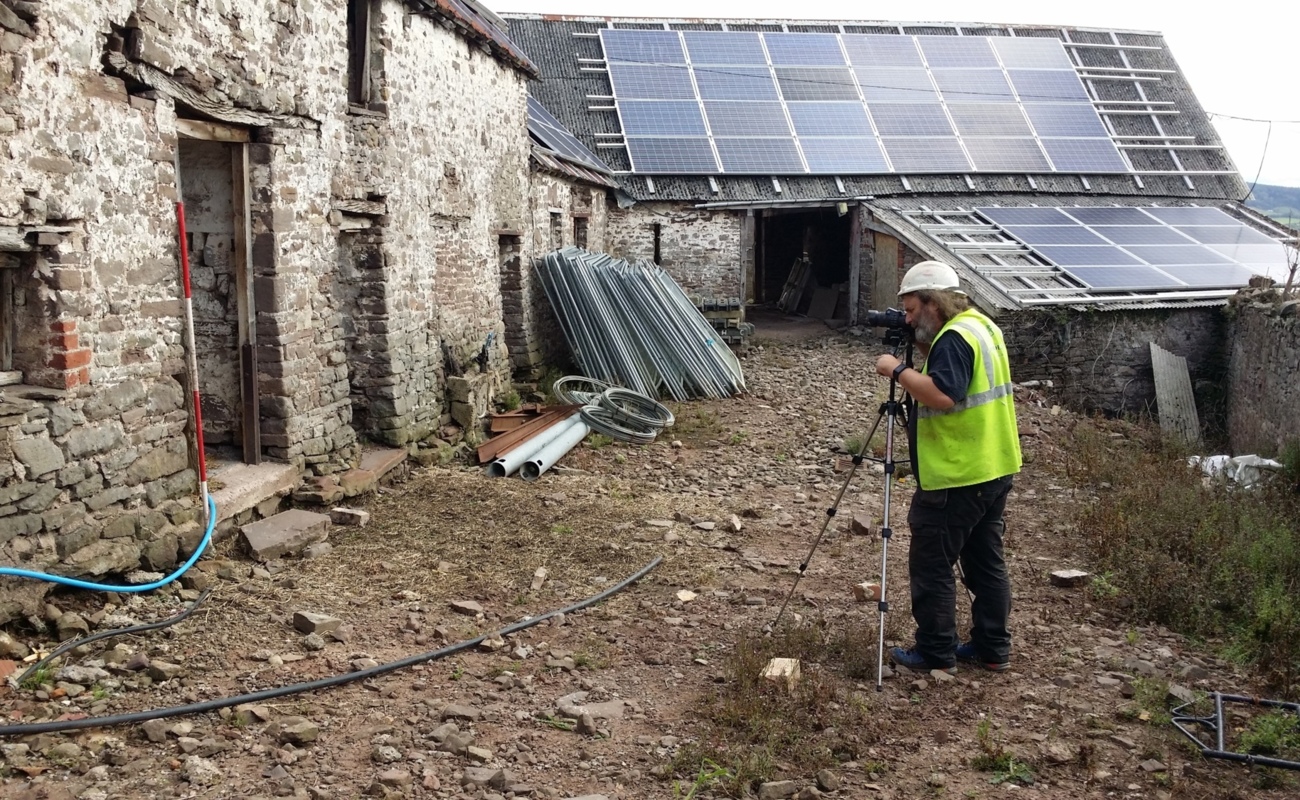
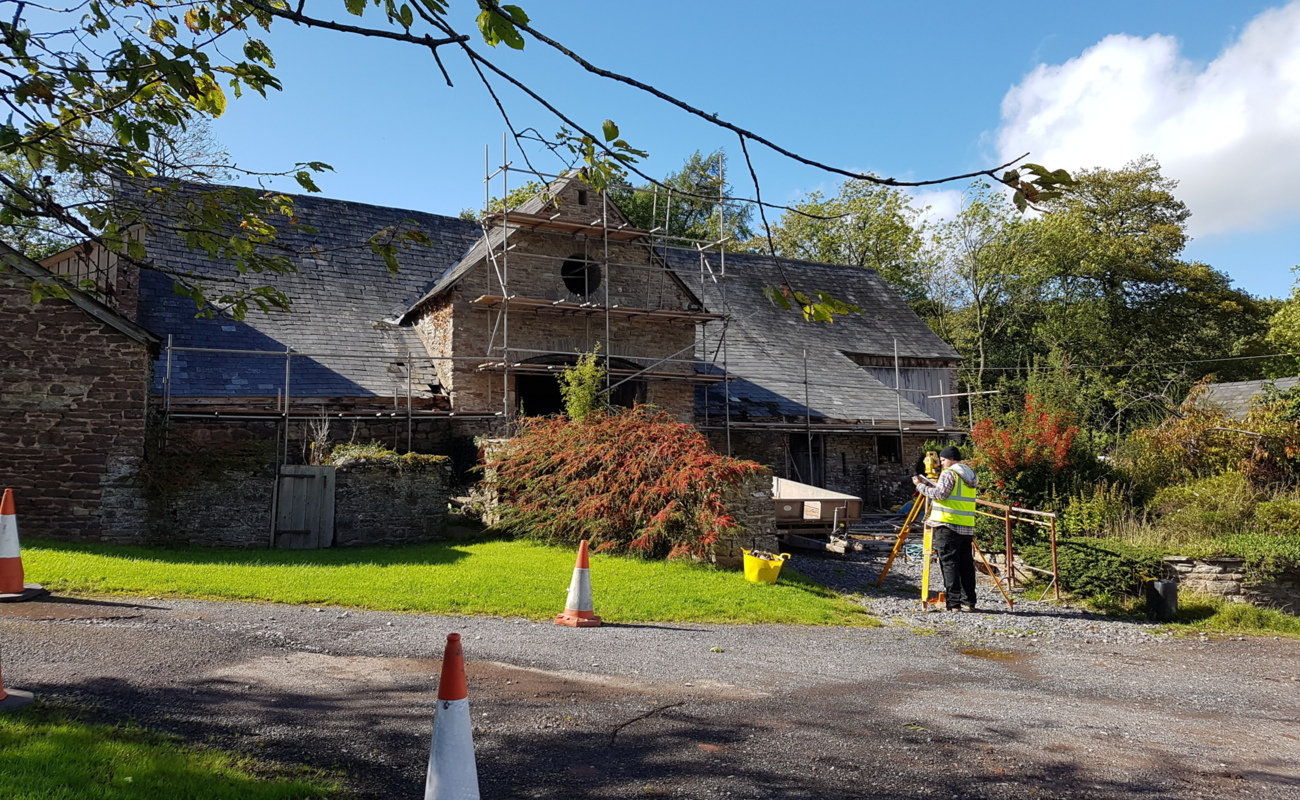
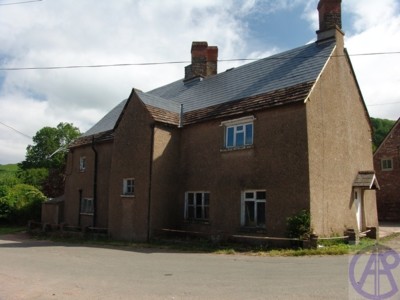
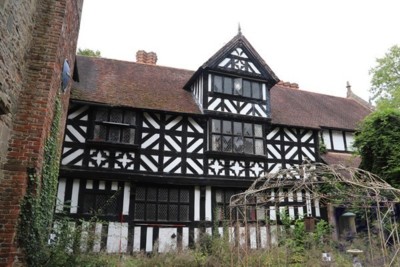
Historic building recording provides a structured record of the form, fabric, development and significance of historic buildings prior to alteration, conversion or demolition. Building recording is commonly required to discharge planning or listed building consent conditions and forms part of the permanent record of the historic environment. APAC Ltd undertakes building recording across England and Wales, working on a wide range of building types, from domestic structures to complex historic, agricultural and industrial buildings.
Recording Levels and Scope
Building recording is undertaken in accordance with recognised professional guidance using recording levels appropriate to the building type, condition and project requirements. Site-specific recording levels are normally defined through planning conditions or by the relevant archaeological or conservation advisor. Recording is undertaken in accordance with the specified level and the agreed Written Scheme of Investigation (WSI). Recording is normally structured around Levels 1–4, ranging from an initial descriptive record through to detailed analytical recording of building development and phasing where required.
In broad terms:
Level 1 typically provides a basic descriptive and photographic record of the building and its principal features.
Level 2 typically provides a more detailed descriptive record and may include measured drawings where required by the brief.
Levels 3–4 typically involve detailed analytical recording, including fabric analysis, development sequence and building phasing where required by the brief or building complexity.
Recording scope is tailored to the specific building and planning requirements rather than applying a fixed recording template. Where building complexity, survival or previously unrecorded fabric requires clarification during recording, additional detail may be recorded to ensure an accurate and meaningful permanent record. This reflects good recording practice and does not alter agreed day-rate site costs, although it may increase the level of supporting data, description or analysis required within the final report.
Photographic Recording
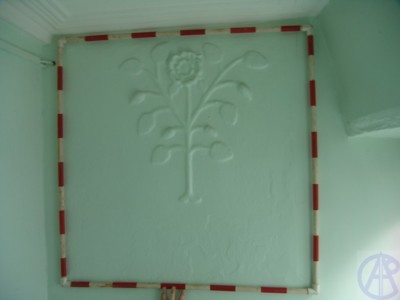
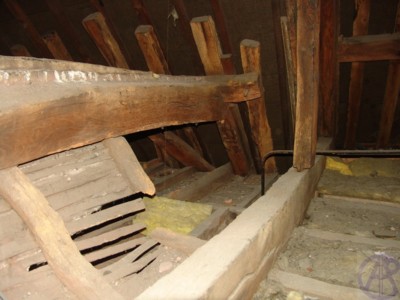
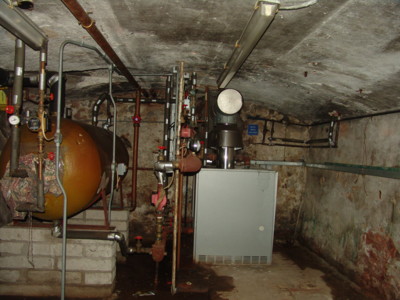
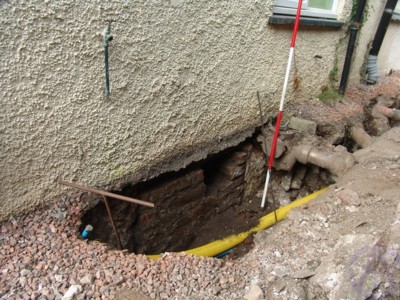
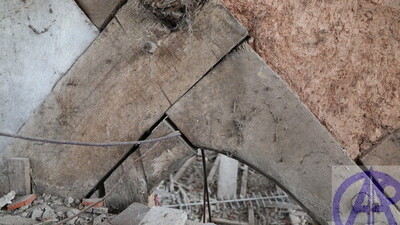
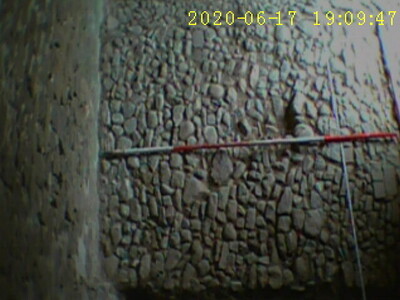
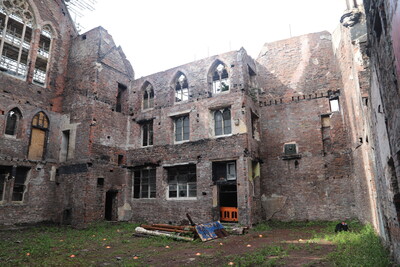
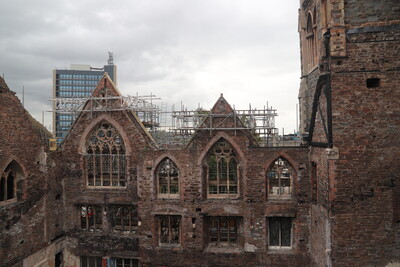
Photographic recording forms a structured component of the building record and is produced to be usable as long-term archive evidence.
Where appropriate, photography includes:
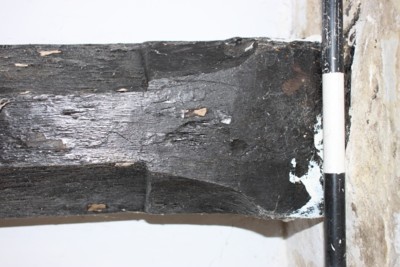
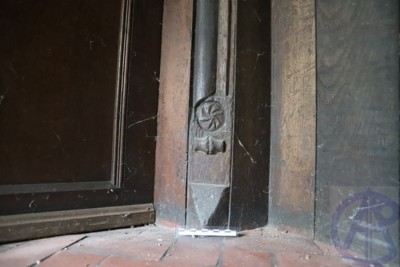
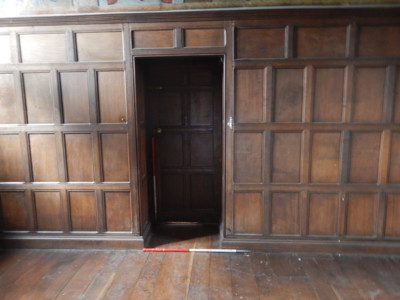
• Clear scale and orientation where required
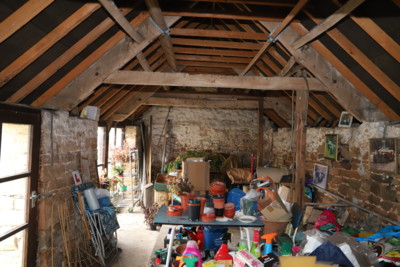
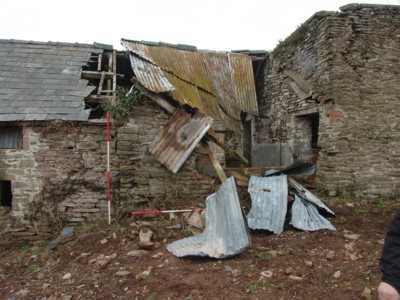
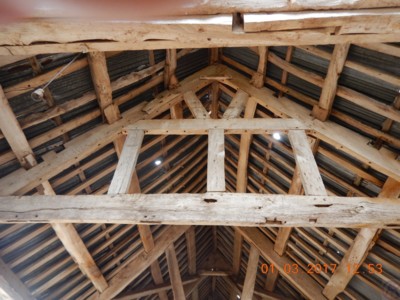
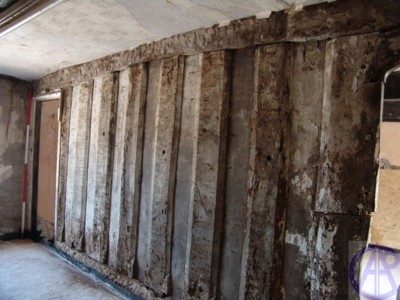
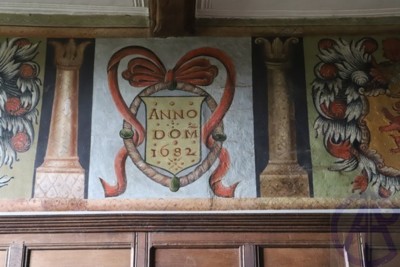
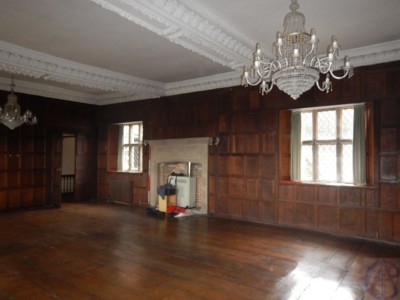
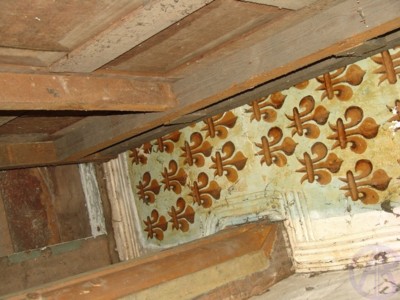
• Coverage of external elevations, internal spaces and significant architectural or fabric detail
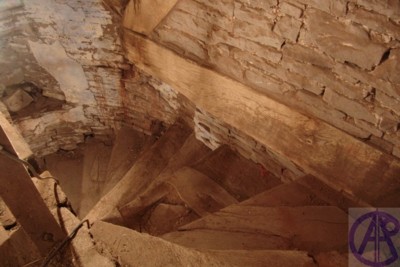
• Recording of circulation routes and spatial relationships where relevant to understanding the building
• Image referencing linking photographs to written description, drawings and location plans
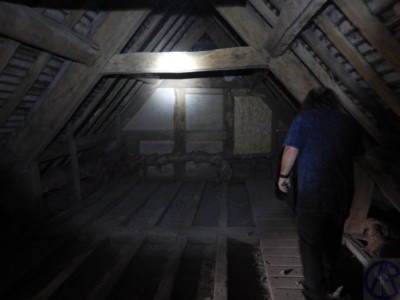
All photographic work is undertaken with appropriate site safety and access considerations, recognising that some areas may be restricted by condition, stability, height access or live construction constraints.
Recording Methods
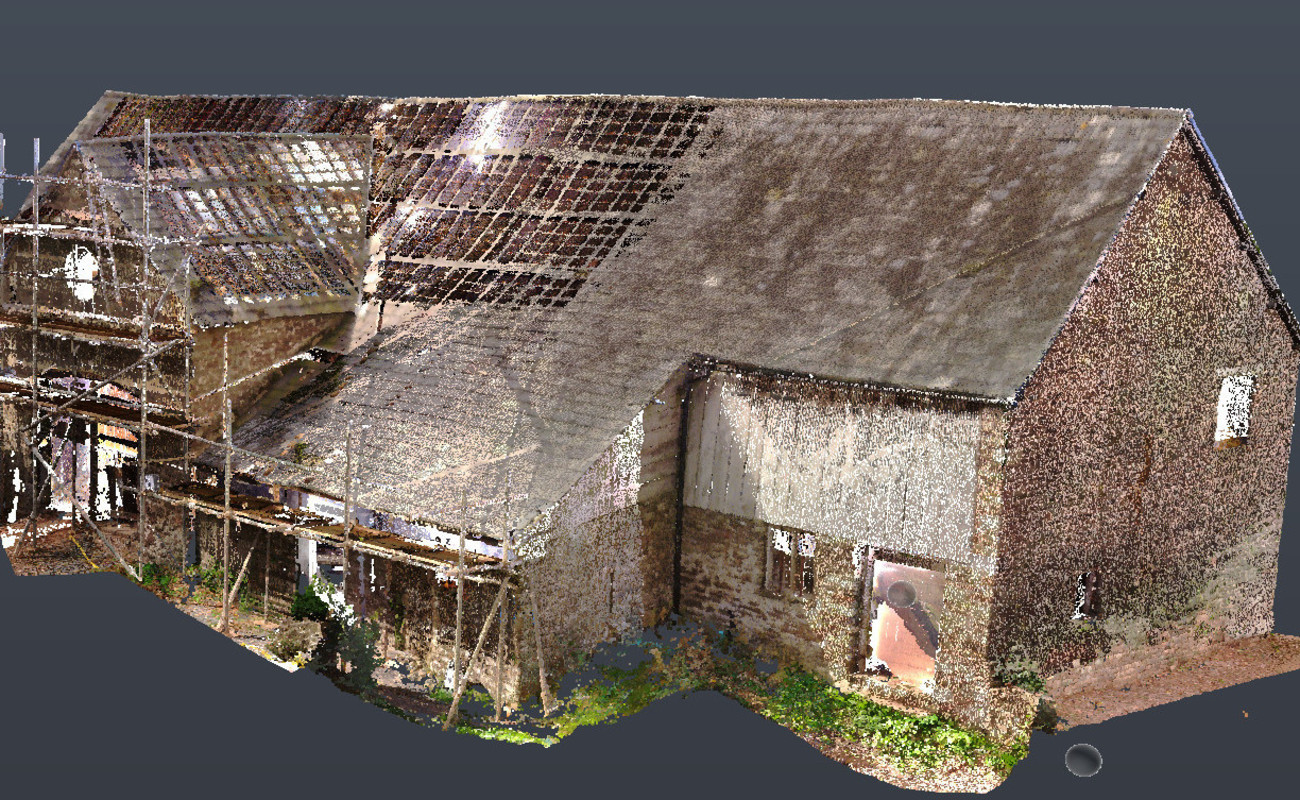
A range of measurement and recording techniques may be used to ensure buildings are recorded accurately and appropriately. These may include traditional measured survey, electronic distance measurement, total station survey and high-resolution 3D laser scanning, where appropriate.
Recording methods are selected based on building complexity, deformation, condition, access constraints and project requirements. High-resolution digital recording may be used where it provides clear advantages in recording complex or irregular structures, where deformation is present, or where accurately measured drawings are required and no reliable existing plans are available.
Existing Drawings and Plan Generation
Where reliable existing drawings are available, these may be used to support building recording where appropriate. Where drawings are not available, are inaccurate, or cannot be used due to copyright restrictions, measured survey and digital recording methods can be used to produce new, accurate survey drawings as part of the recording process.
Digital Recording and Analysis
Digital recording methods may be used to support accurate recording and, where required by the brief, to aid interpretation of building development, structural behaviour and construction phasing.
Deliverables
The primary output of building recording is a building recording report suitable for planning submission and archive deposition, incorporating the structured photographic and descriptive record required to support the agreed recording level and WSI. Where required by the agreed recording level, project brief or client requirements, additional outputs may include:
• Measured drawings and elevations
• Digital survey datasets
• 3D digital models and visualisations
Recording Outcome
Building recording is designed to provide a clear and reliable record of historic buildings that supports both immediate project needs and long-term understanding of the historic environment. Recording scope and methodology are selected to reflect the building itself, ensuring that significant fabric, construction detail and development evidence are properly documented.
3D Scan of South Wales Barn Complex to Supplement a Building Recording