Archaeological Evaluation
Archaeological Evaluation
Archaeological evaluation trenching is usually undertaken as part of the planning process and often forms the first stage of archaeological mitigation required by a Local Planning Authority (LPA). The purpose is to establish the presence or absence of archaeological remains within an area of proposed development and to provide reliable evidence to support planning decisions.
APAC Ltd undertakes evaluation projects of varying scale each year across England and Wales, ranging from small targeted investigations to large multi-phase development sites.
Consultation and Design
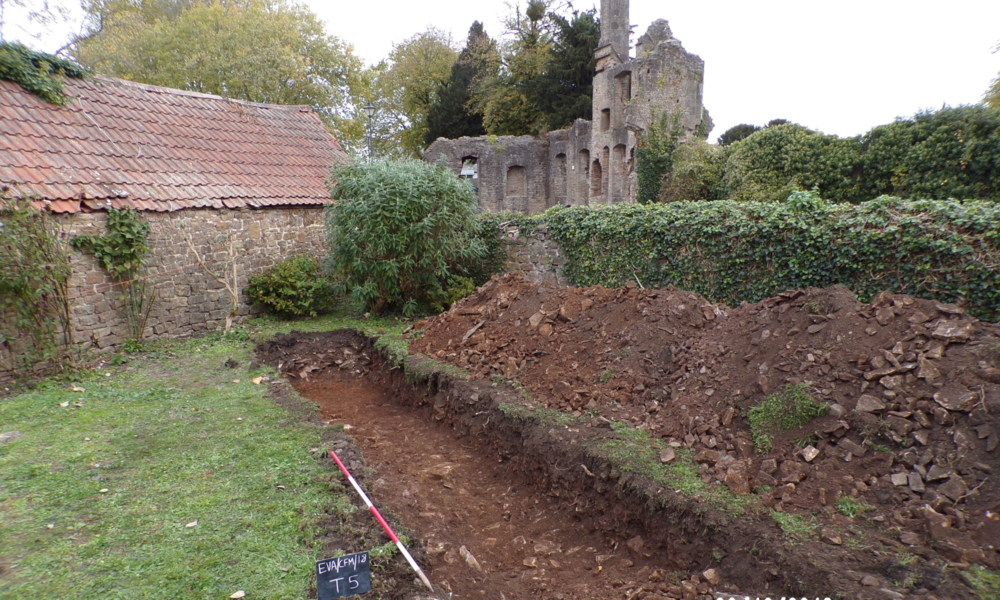
Evaluation strategies are normally developed during consultation and Written Scheme of Investigation (WSI) preparation. Trench numbers, size and placement are agreed with the relevant archaeological advisor and are designed to provide an appropriate sample of the development area.
Evaluation trenching is typically based on an agreed sampling strategy, often expressed as a percentage of the site area or as targeted trenching based on identified archaeological potential. The aim is to test areas of highest archaeological potential while minimising unnecessary disturbance to the site.
What Archaeological Evaluation Involves
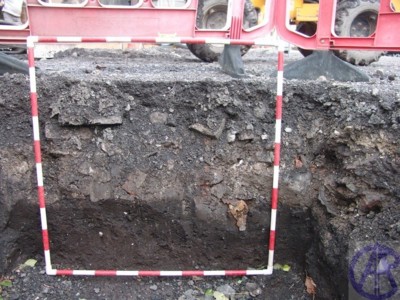
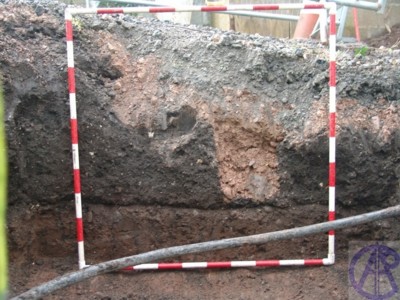
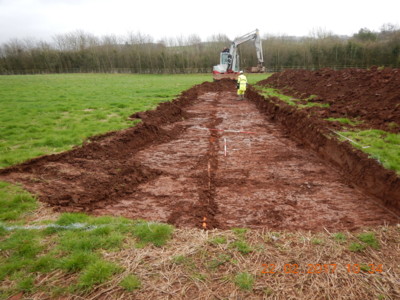
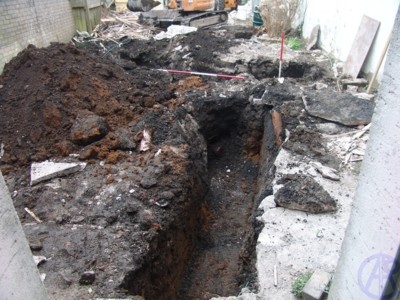
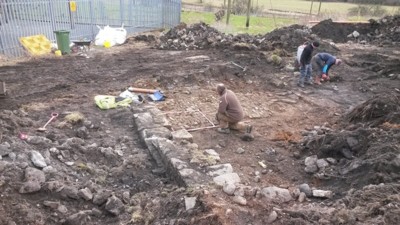
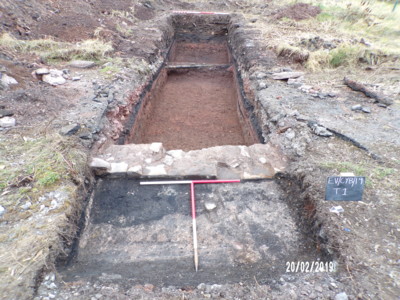
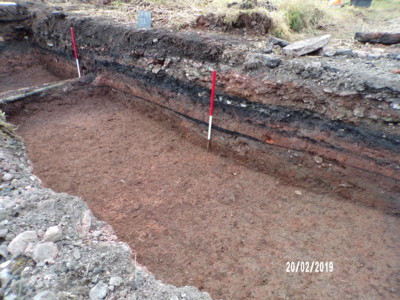
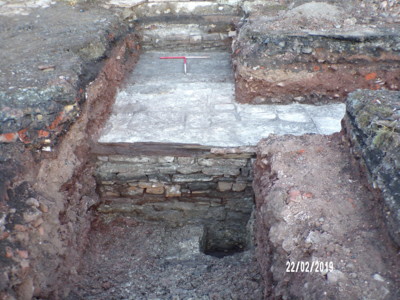
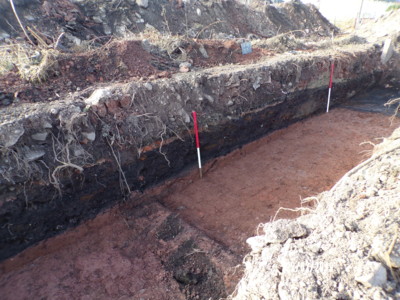
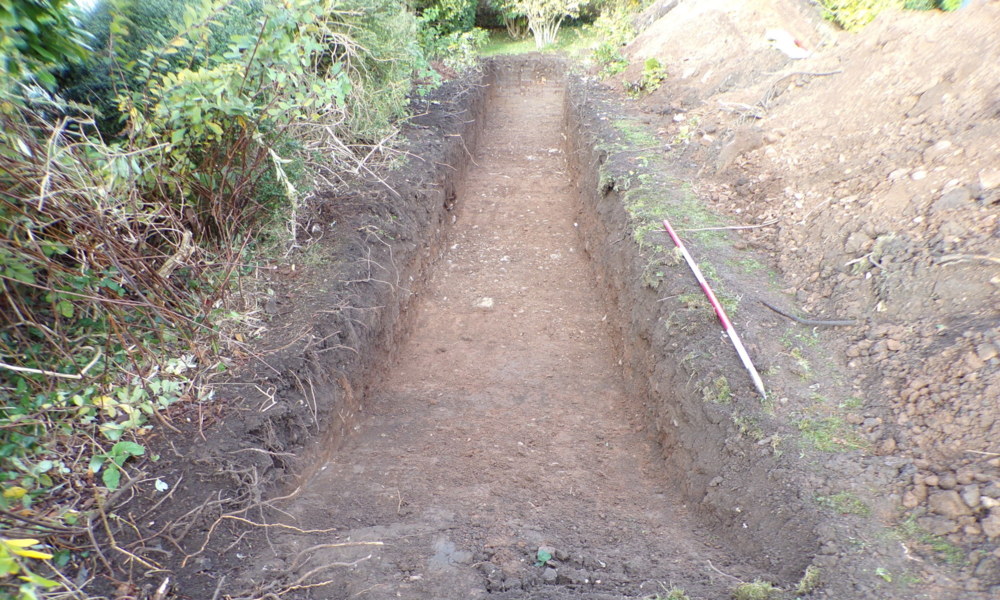
An archaeological evaluation is a structured programme of investigation designed to test the archaeological potential of a site. This is typically carried out through the excavation of a series of targeted trenches across a development area. Trench locations are usually informed by previous archaeological work, where available, such as geophysical survey or desk-based assessments, thereby allowing for investigation to focus on areas of highest archaeological potential.
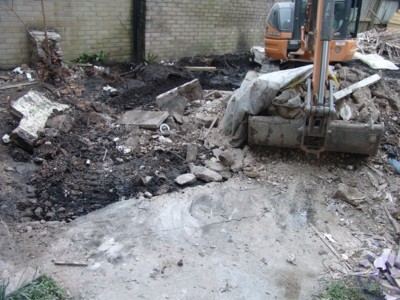
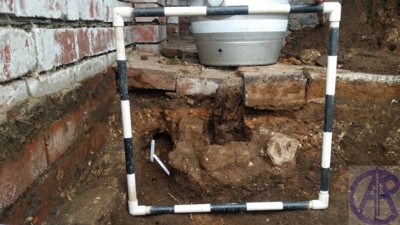
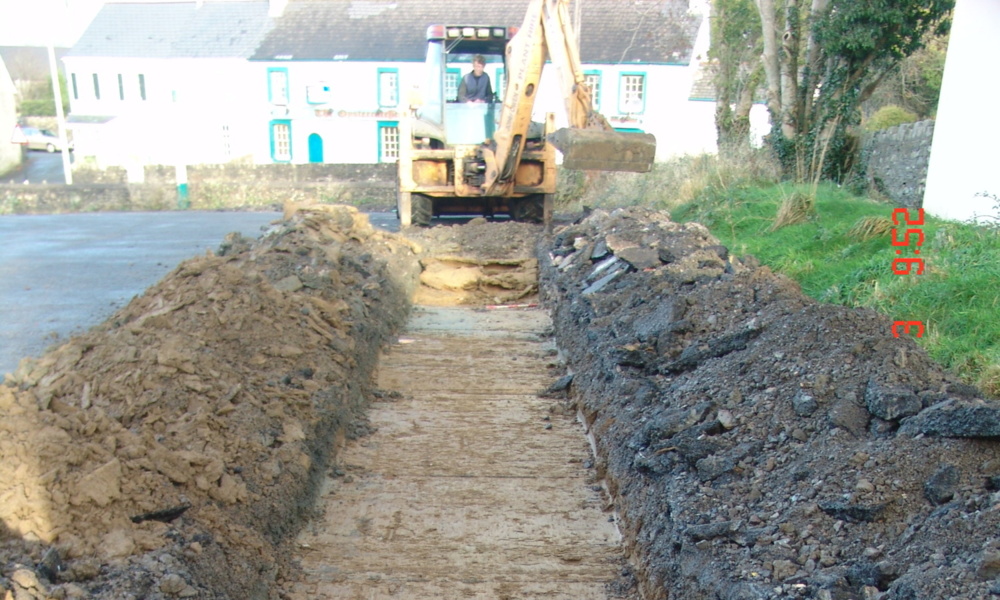
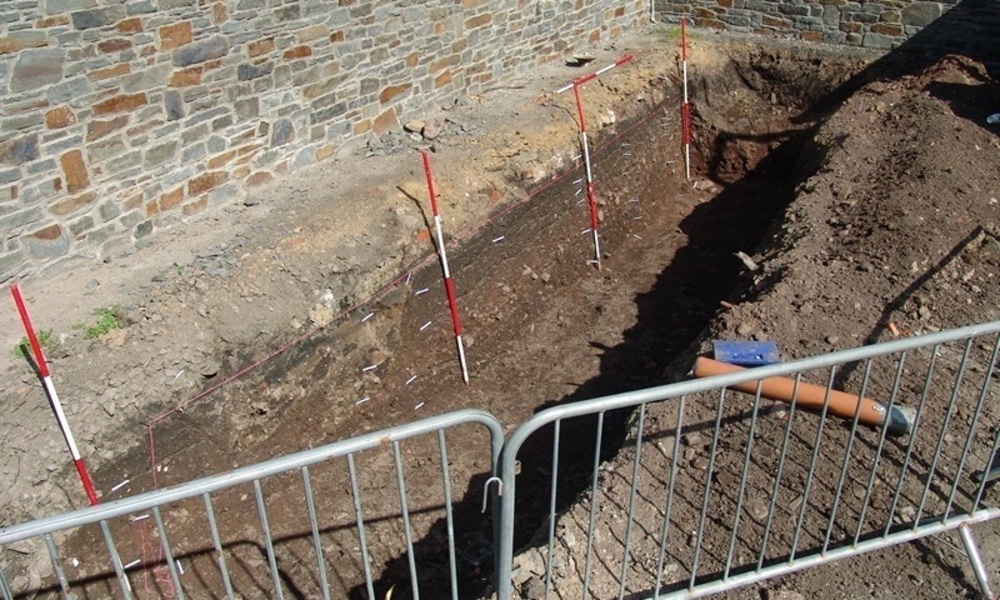
Evaluation trenching is designed to identify archaeological deposits and to characterise their nature, extent, condition and significance. Investigation is undertaken only to the level necessary to understand the archaeology present rather than to fully excavate it. Excavation methods are selected according to site conditions, archaeological sensitivity and project requirements. Where appropriate, controlled mechanical excavation may be used to remove overburden above the archaeological horizon under archaeological supervision, but all excavation below this level is undertaken by hand.
Where evaluation identifies archaeological remains requiring mitigation, further excavation is normally subject to agreement with the Local Planning Authority and the preparation of a separate Written Scheme of Investigation (WSI).
Mechanical and Hand Excavation
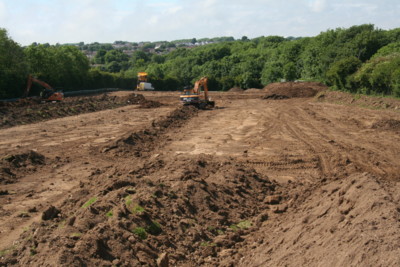
Machine excavation is carefully controlled and appropriate to archaeological sensitivity. Where machine excavation is used, it is undertaken using suitable plant and attachments designed to minimise damage to underlying deposits, typically including toothless ditching buckets or equivalent low-impact attachments where appropriate.
Below archaeological horizons, excavation is undertaken using appropriate hand excavation methods to ensure archaeological deposits are properly identified, cleaned and recorded.
Why Archaeological Evaluation Is Undertaken
Evaluation provides evidence to support informed planning and development decisions and is commonly required where archaeological potential is known or suspected but has not yet been confirmed on the ground.
Evaluation helps to:
• Establish whether archaeological remains are present
• Determine the character, extent and condition of any remains
• Inform planning decisions and mitigation strategies
• Reduce uncertainty before construction begins
In many cases, early evaluation can help reduce later project risk by ensuring that any further archaeological work required is proportionate to the significance and survival of the archaeology present.