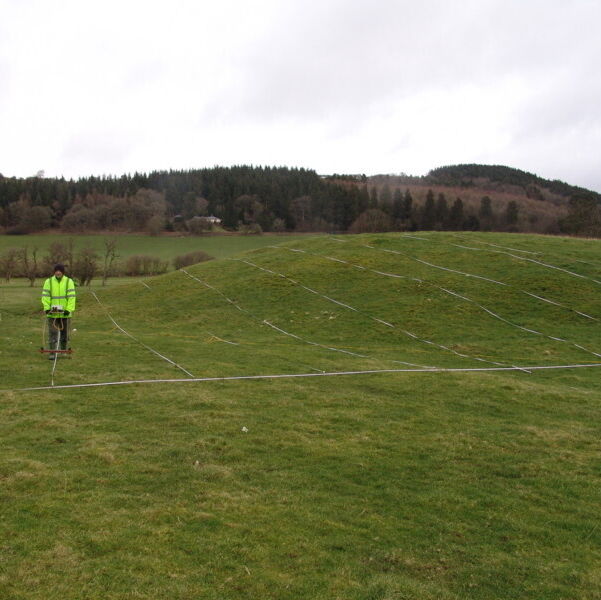
Archaeological and Heritage Assessments
Archaeological and heritage assessments support the planning process by identifying heritage assets, assessing their significance and considering potential development impact. A.P.A.C. Ltd provides assessment work across England and Wales from early feasibility through to planning submission and condition discharge.
Purpose of Assessment
Assessment provides the evidence base used by planning authorities to understand archaeological and heritage implications of development proposals. This typically includes identification of heritage assets, assessment of significance, consideration of development impact and advice on mitigation or further investigation. Assessment scope is tailored to planning and heritage requirements for each project.
Assessment Focus and Impact Consideration
Assessment work may include DBA, Archaeological Impact Assessment (AIA) and Heritage Impact Assessment (HIA), either as separate or combined documents, depending on project requirements. Assessment scope is normally agreed through consultation and is designed to meet planning policy and heritage guidance current at submission.
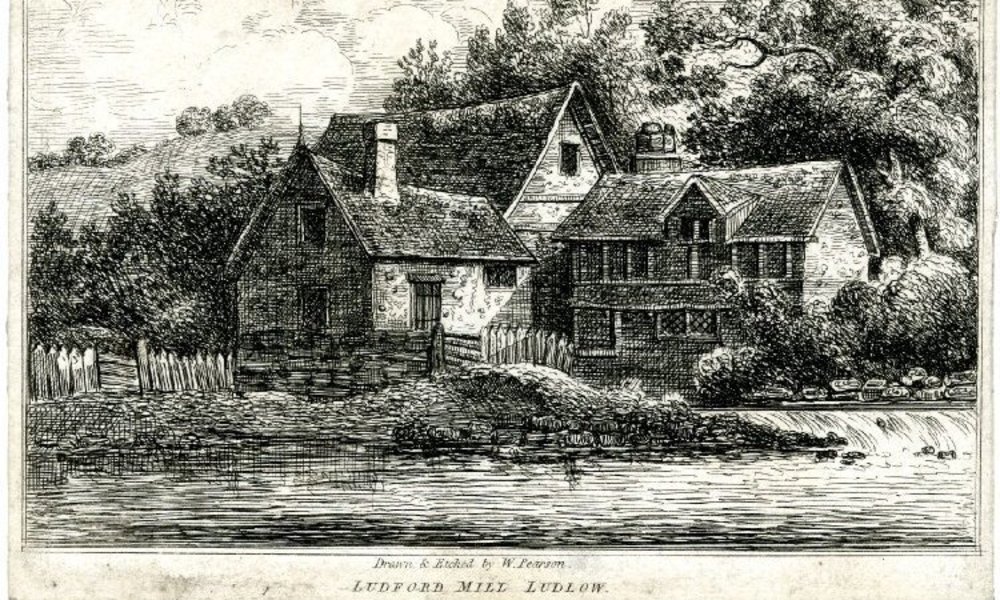
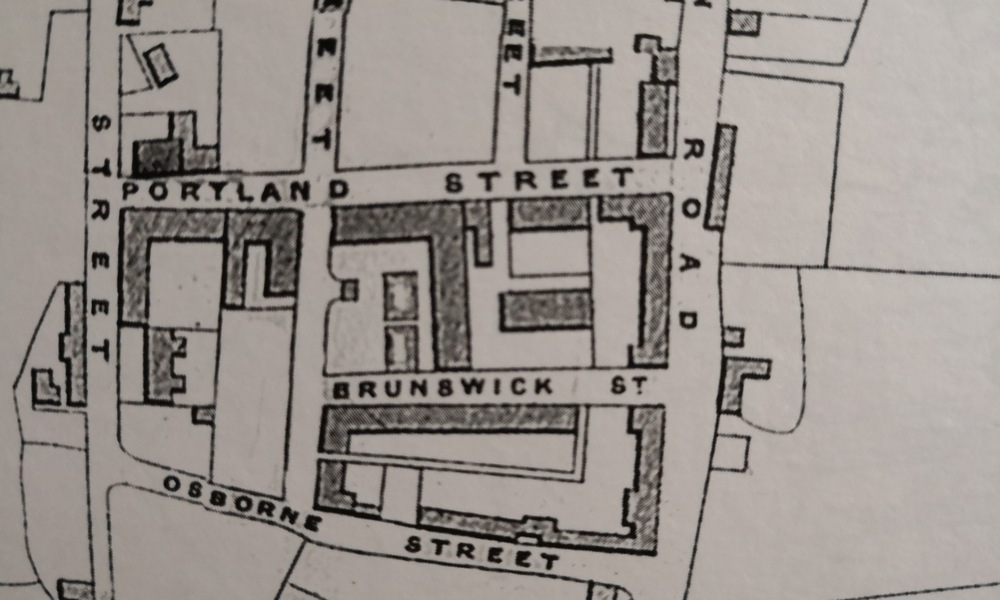
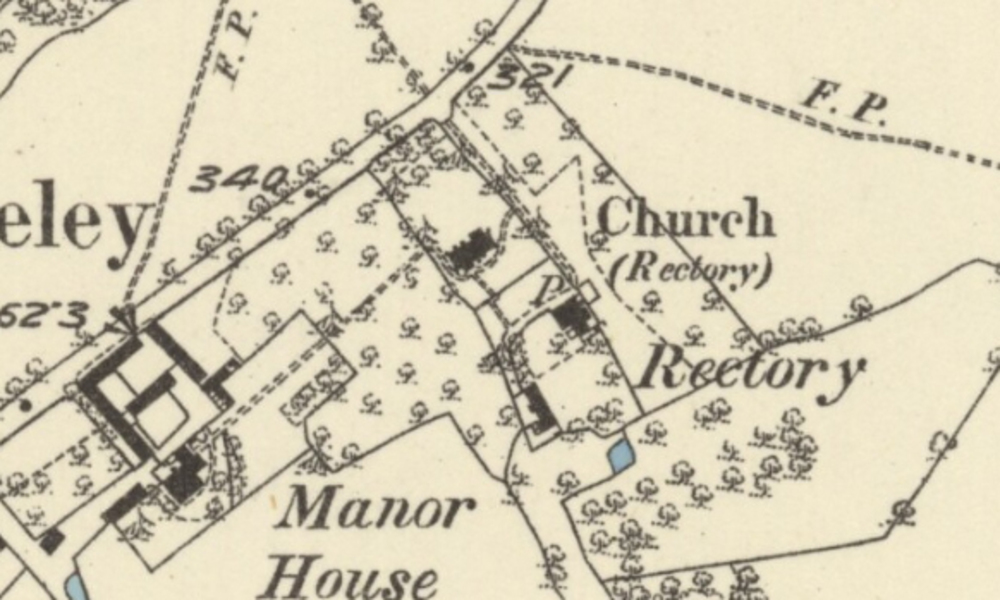
Types of Assessments
Heritage Impact Assessments
A Heritage Impact Assessment (HIA) considers how a proposed development may affect the significance of a heritage asset and its setting. This can include listed buildings, scheduled monuments, conservation areas, historic landscapes and archaeological sites.
A.P.A.C. Ltd assesses the available historical, archaeological and architectural evidence for the site, together with the proposed development, to identify what is significant and how the works may affect it. Where potential harm is identified, the assessment can also consider ways in which that impact may be reduced.
The completed report provides a clear and proportionate assessment that can be submitted in support of a planning application or in response to a request for further heritage information.
Archaeological Impact Assessments
An Archaeological Impact Assessment (AIA) considers the archaeological potential of a site and how any known or possible remains could be affected by a proposed development.
A.P.A.C. Ltd reviews archaeological records, historic maps, previous investigations and other available evidence to assess what may survive within the site and whether the proposed groundworks are likely to affect it. Previous disturbance and development are also considered, as archaeological potential does not always mean that remains still survive.
The purpose is to identify what archaeological issue, if any, needs to be addressed and to provide a proportionate basis for deciding whether any further archaeological work is required.
Desk-Based Assessment
Desk-based assessment is a structured review of archaeological and historical information, including historic mapping, aerial photography, LiDAR data, published sources, archive material and Historic Environment Record data. It is commonly used to support planning applications, land purchase decisions and early feasibility studies. Early assessment and survey work can significantly reduce project risk and cost by identifying constraints early and supporting proportionate development design.
Related service: Archaeological Surveys
Where more information about a site is needed, archaeological surveys can help identify visible features or investigate potential buried remains. The appropriate method depends on the site and the questions the assessment needs to answer.